 By Braddy Carnige
Safety Starts Before the Work Begins
A safer workplace is rarely the result of one big decision. More often, it comes from a series of small, repeatable habits that make risks visible and manageable. The first habit is planning: teams that take a few minutes to review tasks, identify hazards, and agree on responsibilities tend to prevent mistakes that would otherwise happen under pressure. Clear role assignment matters, because when everyone assumes “someone else is checking,” nobody checks.
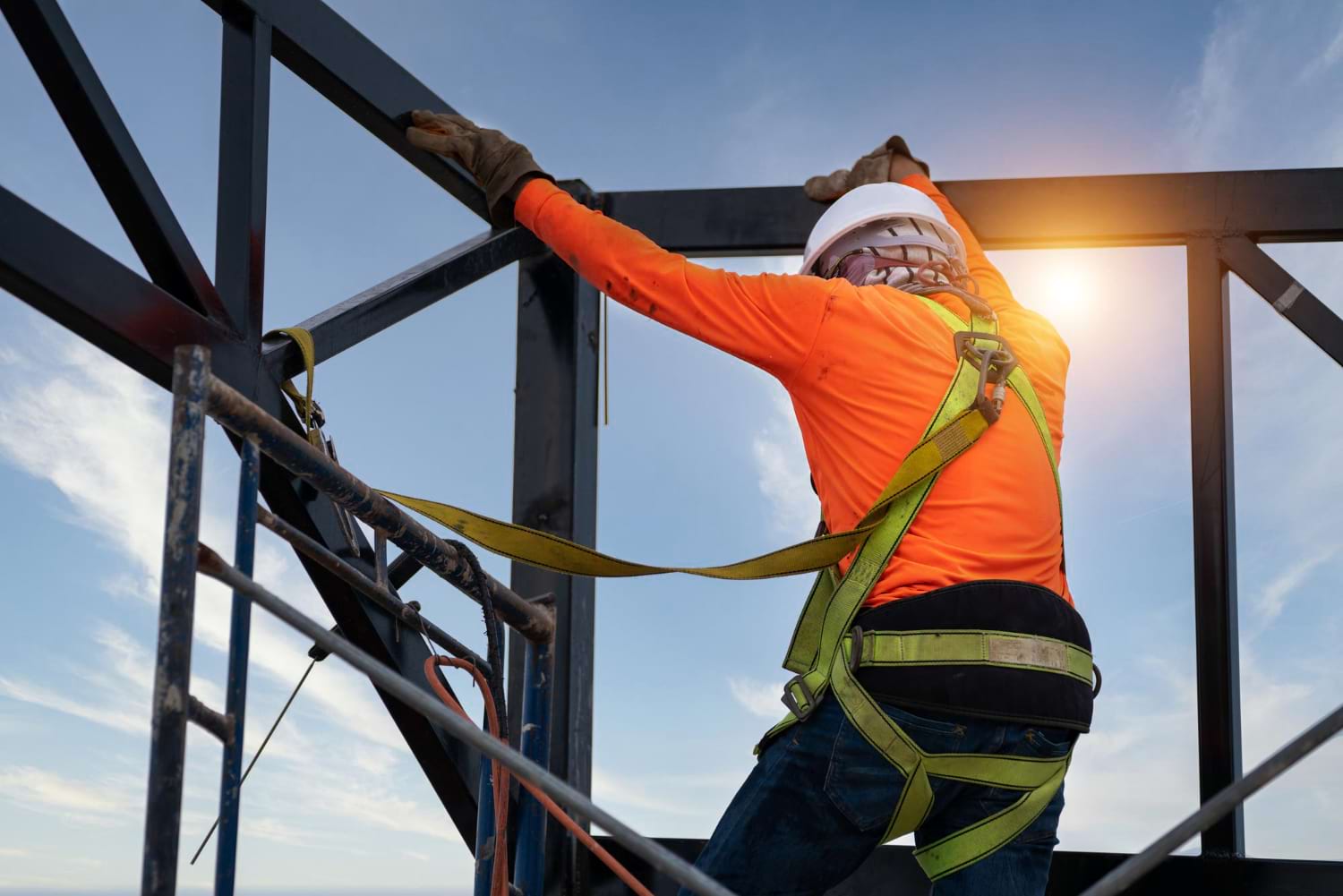
Another habit is standardizing the way work is prepared. Tools should be inspected, work areas kept tidy, and access routes maintained so people do not improvise. Improvisation is where many incidents begin: a missing guard, a rushed setup, or a shortcut taken because materials were not where they should have been. Good organizations treat orderliness as a safety practice, not an aesthetic choice.
Training is also most effective when it is specific. Instead of generic presentations, focus on real scenarios: what to do when conditions change, how to stop work, and how to report near-misses without fear of blame. When people feel punished for speaking up, hazards stay hidden. When they feel listened to, problems surface early and solutions become part of normal operations.
Daily Controls, Smart Equipment, and a Culture of Accountability
Daily controls turn safety from a slogan into a system. Short check-ins at the start of a shift help teams confirm what has changed: weather, site access, staffing, or the sequence of tasks. These quick updates reduce confusion and make it easier to spot gaps before they become dangerous. Just as important is documenting observations in a simple way—one that workers will actually use. If reporting is complicated, it gets skipped.
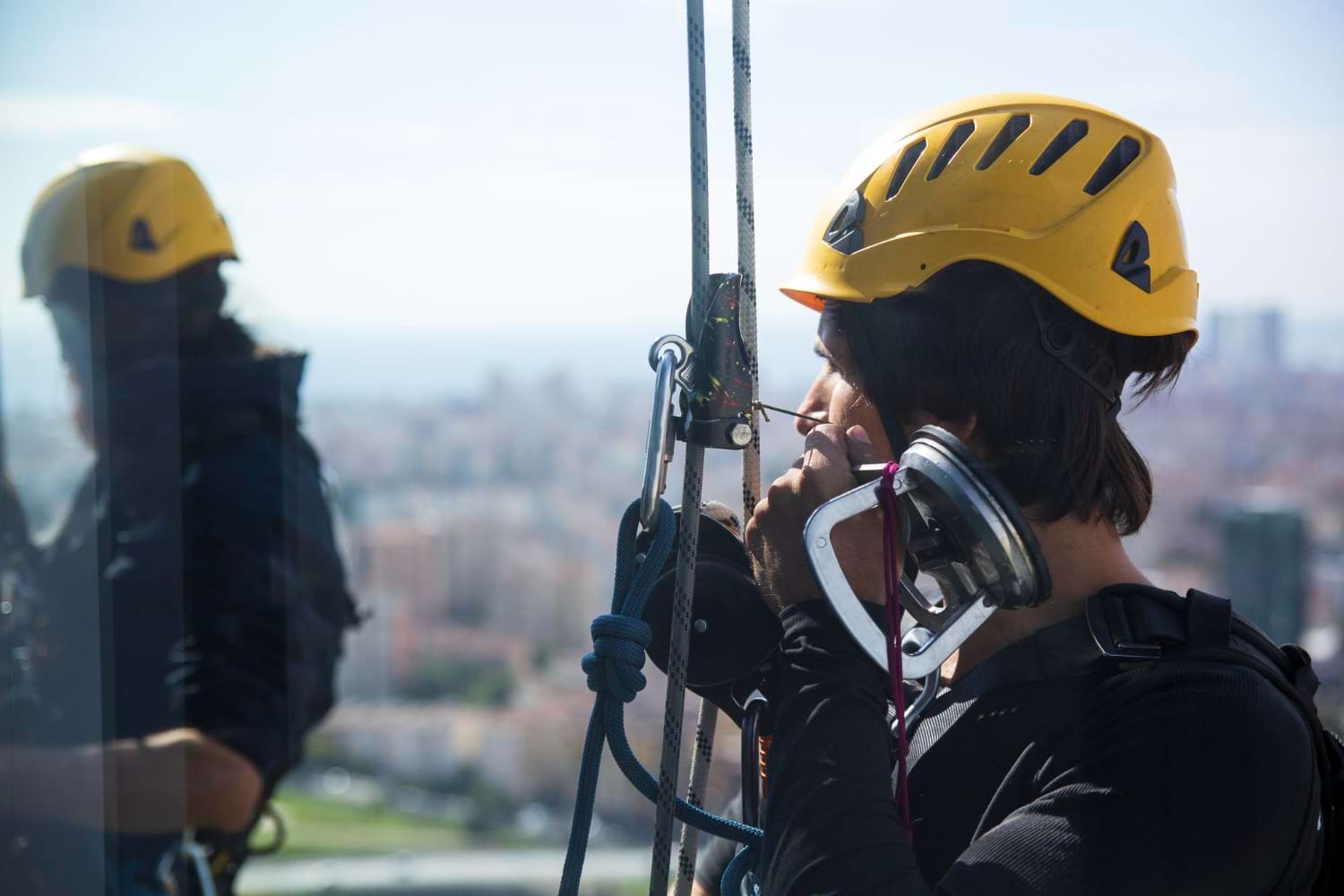
Equipment choices should match the work, not the other way around. The aim is to remove hazards where possible and reduce exposure where removal is not realistic. For certain tasks at height, that may include selecting appropriate anchor points, ensuring compatible connectors, and maintaining a rescue plan so protection does not end at “preventing the fall.” In many settings, teams also rely on fall protection kits as a practical package solution, especially when tasks vary and setups must remain consistent across crews.
Accountability works best when it is shared. Leaders need to model the behaviors they expect—wearing the right gear, pausing work when conditions are unsafe, and praising people who raise concerns. Workers, in turn, should feel empowered to stop a task and ask questions without being labeled difficult. When accountability is mutual and visible, safety stops being a separate “program” and becomes a normal part of how work gets done every day.