 By
By 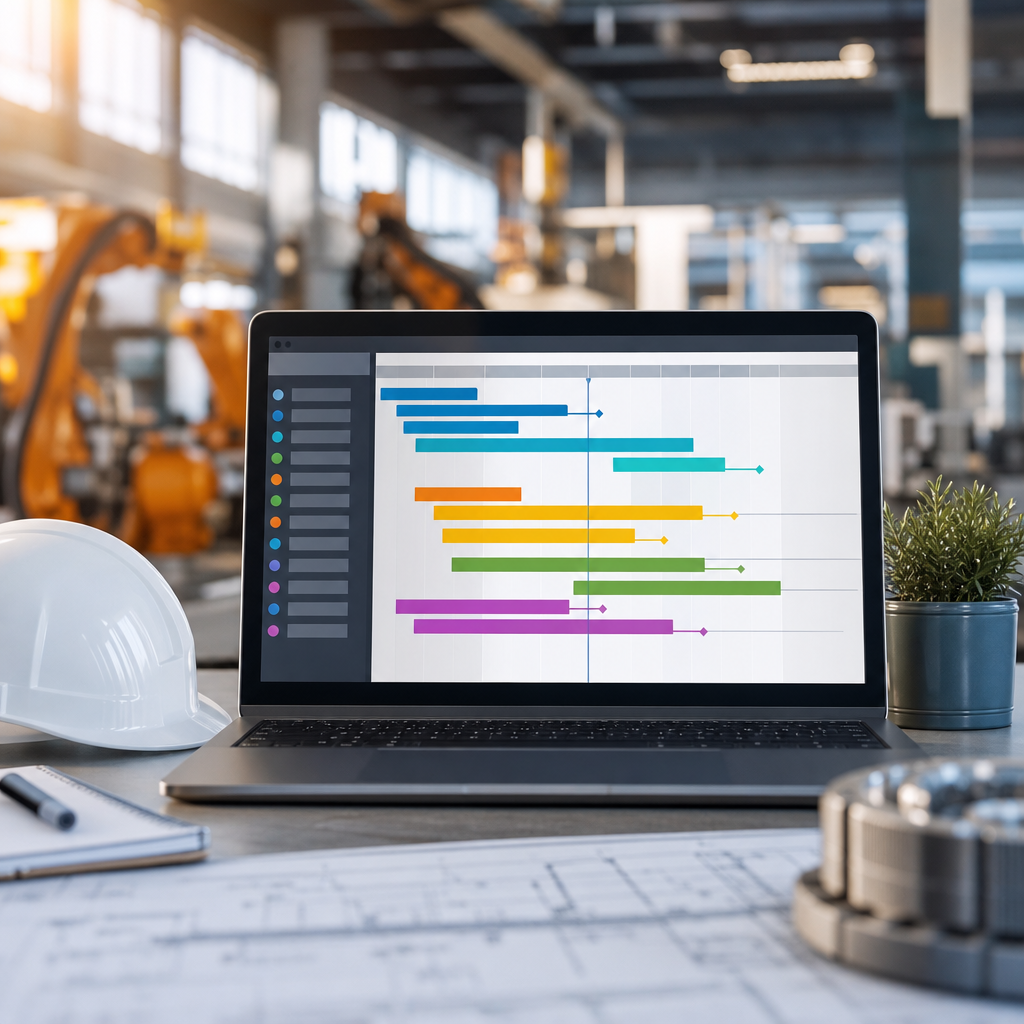
Introduction: Unlocking the Power of Gantt Charts in Production Management
Effective production planning is crucial for the success of manufacturing and industrial operations. With numerous tasks, deadlines, and resources to coordinate, managers need reliable tools to visualize, plan, and oversee the entire production process. A gantt chart for production offers a powerful solution, enabling teams to streamline workflows, track progress, and make informed decisions. In this article, we will explore how gantt charts can transform production management and why they are indispensable for modern manufacturing environments.
What Is a Gantt Chart and Why Is It Essential for Production?
Originally developed by Henry Gantt in the early 20th century, a gantt chart is a visual project management tool that displays scheduled tasks against their timeline. It provides an intuitive overview of project phases, task durations, dependencies, and milestones. For production managers, gantt charts facilitate clear communication among teams, identify potential bottlenecks, and enhance scheduling accuracy.
Implementing a gantt chart for production simplifies complex operations by allowing users to view all manufacturing stages at a glance. Whether managing raw material procurement, assembly lines, quality checks, or shipment deadlines, gantt charts help optimize resource allocation and minimize delays.
Key Benefits of Using Gantt Charts in Production
- Enhanced Planning and Scheduling: Gantt charts enable detailed scheduling of all production activities, ensuring timely completion and reducing idle times.
- Improved Visibility and Communication: Team members and stakeholders gain real-time insights into project status, facilitating better coordination and fewer misunderstandings.
- Dependency Management: Identifying task dependencies helps prevent delays caused by bottlenecks, allowing proactive adjustments.
- Resource Optimization: Effective visualization aids in balancing workload, avoiding overuse or underuse of machinery and manpower.
- Progress Tracking and Adjustments: Visual progress indicators allow managers to quickly spot deviations and implement corrective measures promptly.
Integrating Gantt Charts Into Production Workflows
Choosing the Right Tool
Modern production environments require dynamic and flexible gantt chart solutions. Several software options are available, ranging from simple spreadsheet templates to advanced project management platforms. For optimal efficiency, select tools that support dependency linking, real-time updates, collaboration features, and easy integration with existing ERP or MES systems.
Implementing Gantt Charts Effectively
Implementing a gantt chart requires a clear understanding of production processes. Start by mapping out all tasks, durations, and dependencies. Regularly update the chart based on actual progress to maintain accurate planning. Encourage team members to access and review the gantt chart regularly, fostering transparency and accountability.
Additional features such as alerts, notifications, and automated reporting can further streamline production management. For instance, automatic alerts about approaching deadlines or delayed tasks can help teams respond swiftly and prevent disruptions.
Case Studies and Success Stories
Many manufacturing companies have successfully adopted gantt charts to improve their operations. For example, a textile manufacturer reported a 20% reduction in lead times after implementing a visual scheduling system. Similarly, an automotive parts producer enhanced throughput by better coordinating assembly sequences and quality inspections through gantt chart visualization.
These success stories highlight the importance of adopting modern project visualization tools tailored to production needs.
Conclusion: Why Your Production Should Embrace Gantt Charts Now
In today’s competitive manufacturing landscape, efficiency and agility are key. A gantt chart for production offers invaluable support in planning, executing, and monitoring manufacturing activities. By providing clarity, enhancing collaboration, and enabling proactive management, gantt charts can significantly boost productivity and profitability.
Whether you are managing a small workshop or a large-scale factory, integrating a robust gantt chart solution like the one available at Nexelem can revolutionize your production workflows. Don’t let inefficiencies slow you down—embrace visual project management today and drive your production towards greater success.