 By
By 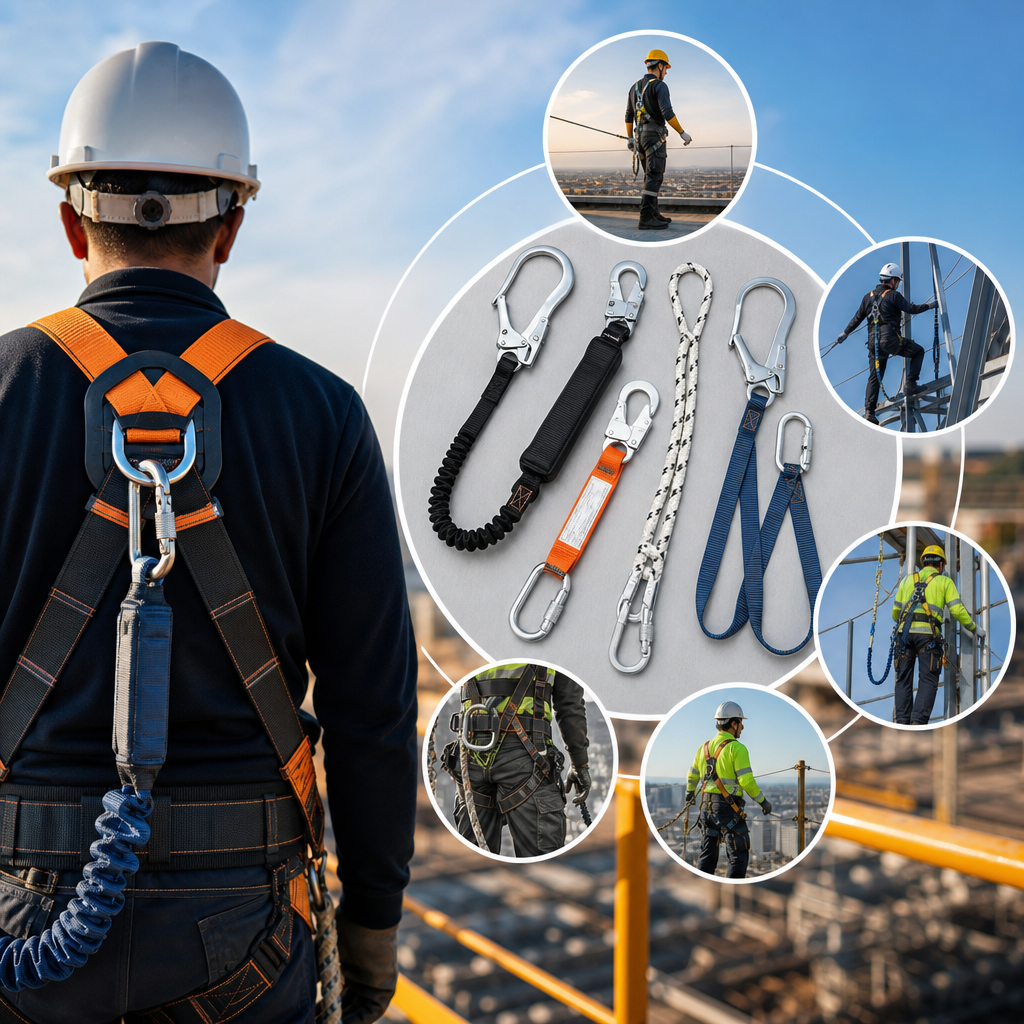
Choosing the Right Safety Lanyard for Your Work Environment
Selecting the appropriate safety lanyard is vital for protecting workers in environments where falls pose a significant risk. With a variety of types available, understanding their specific applications and compliance with UK safety standards becomes essential for effective safety management.
Key points
- Different types serve specific safety needs
- Compliance with UK safety standards is mandatory
- Regular inspection maintains equipment integrity
Understanding Different Types of Safety Lanyards
Safety lanyards play a central role in fall protection systems. Among the most common are restraint lanyards, shock absorbing lanyards, adjustable options, rope lanyards, and twin leg configurations. Each type is designed to address particular hazards and work conditions.
Protekt UK offers a wide selection of safety lanyards suitable for diverse applications, ensuring compliance with British safety standards like EN 354, EN 355, and EN 358. Restraint lanyards are primarily used to prevent workers from reaching fall hazards by limiting their movement within safe zones, making them suitable for environments where accidental falls must be avoided at all costs.
Shock absorbing lanyards incorporate built-in deceleration devices, reducing the impact force during a fall. This feature is crucial in high-risk scenarios where workers are exposed to fall hazards. Adjustable lanyards provide customizable lengths, offering flexibility for tasks that require quick adjustments or working at various heights. Rope lanyards, constructed from durable materials, are typically used in demanding environments where strength and reliability are vital. Twin leg lanyards connect workers to multiple anchor points, enabling continuous safety line attachment during movement or repositioning, essential for jobs involving constant relocation.
Assessing Workplace Hazards to Determine Suitable Lanyard Types
The first step in choosing the correct safety lanyard involves a detailed analysis of the work environment. Workers and safety managers should evaluate the specific tasks, fall risks, and operational demands to steer their selection process. For example, in settings with limited movement, restraint lanyards might suffice, while more dynamic environments may require twin leg options for continuous connection.
Understanding movement requirements is vital. If workers need to move between multiple anchor points regularly, twin leg lanyards are often preferable over single-leg options. This choice ensures constant protection and minimizes the risk of accidental disconnections or falls.
Compliance with UK Safety Regulations and Standards
Adhering to legislative and safety standards remains a legal and ethical obligation for employers. In the UK, safety lanyards must meet standards like EN 354 for restraint lanyards, EN 355 for fall arrest lanyards, and EN 358 for work positioning. These standards specify essential features, testing methods, and performance criteria to ensure high safety levels.
Besides choosing compliant products, regular inspection and maintenance are mandatory under the Provision and Use of Work Equipment Regulations. Routine checks verify that lanyards maintain their integrity, with no signs of wear, damage, or deterioration that could compromise performance. Proper storage, cleaning, and timely replacement are necessary practices to uphold safety standards and protect workers effectively.
Expert Perspectives and Common Misconceptions
The British Safety Council underscores the importance of selecting the correct safety lanyard type based on the specific work task. Proper fitting and correct usage significantly reduce injury risks and improve overall safety levels.
According to the Health and Safety Executive, thorough planning and supervision are crucial during operations involving heights. Employing suitable lanyards and ensuring they are correctly installed can mean the difference between safety and serious accidents.
It is a common misconception that all lanyards are interchangeable. In reality, different types are designed for distinct applications, and using the wrong one can lead to inadequate protection or failure to meet safety requirements. Another myth is that once purchased, lanyards do not demand ongoing attention. In truth, routine inspections and maintenance affirm that equipment remains fit for purpose, avoiding potential failures during use.
Final Recommendations for Ensuring Safety and Compliance
When selecting a safety lanyard, it’s crucial to consider the specific hazards, movement needs, and compliance requirements. Regular inspections and proper training for workers further enhance overall safety. Keeping equipment in excellent condition extends its lifespan and guarantees reliable protection in every work scenario.